

7 Easy DIY Fixes Every Homeowner Should Know
A few basic DIY skills can make everyday home maintenance much easier. You do not need a workshop full of equipment or years of experience to handle many of the small problems that appear around the house.
These seven simple fixes are useful starting points for homeowners who want to take care of minor repairs with more confidence. Always work carefully, use the right tools, and call a qualified professional whenever a repair involves electricity, gas, major plumbing, structural damage, or anything beyond your experience.
1. Tighten Loose Handles and Hardware
Loose cabinet handles, drawer pulls, door knobs, and other fittings are among the easiest household problems to fix. In many cases, all you need is the correct screwdriver or Allen key.
Check the screws and fasteners first and tighten them gently until the fitting feels secure. Avoid overtightening, especially on cabinets or furniture, because too much force can damage the material or strip the screw hole.
2. Fix a Squeaky Door Hinge
A squeaky door is usually caused by friction around the hinge. Start by checking whether the hinge screws are loose and tightening them if necessary.
If the squeak remains, apply a small amount of suitable household lubricant to the hinge pin and move the door back and forth several times. Wipe away any excess so it does not drip onto the door or floor.
3. Patch Small Holes in a Wall
Small nail or screw holes can often be repaired with lightweight wall filler or spackling compound. Clean the area first, then apply a small amount of filler with a putty knife.
Allow it to dry according to the product instructions, lightly sand the surface until smooth, and touch up the area with matching paint. Larger holes or damaged drywall may require a more involved repair.
4. Stop a Dripping Faucet at the First Sign
A slowly dripping faucet can waste water and may become more troublesome over time. Begin by checking whether the handle or visible fittings have become loose.
Some minor faucet problems can be solved by tightening a fitting or replacing a worn washer or cartridge. If you need to take the faucet apart, turn off the water supply first. Persistent leaks or leaks inside walls should be handled by a plumber.
5. Re-Caulk Small Gaps Around Sinks and Tubs
Old caulk around sinks, tubs, and other wet areas can crack or pull away over time. Replacing damaged caulk helps keep water from reaching areas where it should not.
Remove loose or deteriorated caulk, clean and dry the surface thoroughly, and apply a suitable kitchen or bathroom sealant according to the manufacturer's instructions. Give it enough time to cure before exposing the area to water.
6. Secure a Loose Shelf or Furniture Joint
A shelf or piece of furniture that begins to wobble should be checked before it becomes worse. Inspect the screws, brackets, and joints to find out where the movement is coming from.
Tighten loose fasteners and replace damaged hardware when necessary. For wall-mounted shelves, make sure the fixings are appropriate for the wall type and the weight being supported.
7. Keep a Basic DIY Toolkit Ready
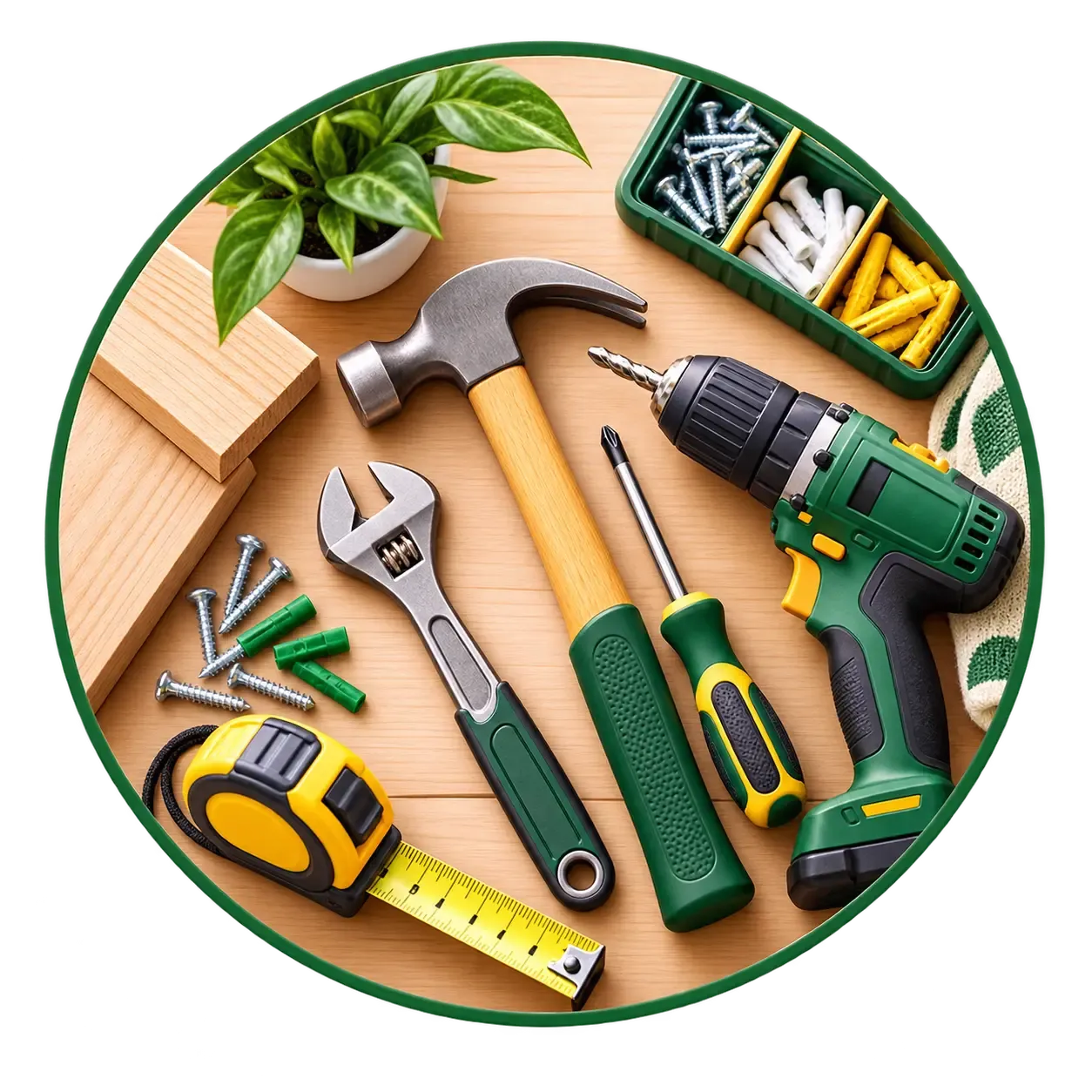
Many small repairs become much easier when the right tools are already available. A practical starter kit can include screwdrivers, pliers, an adjustable wrench, a hammer, a tape measure, a utility knife, a level, a flashlight, and a small selection of common fasteners.
Keep your tools clean, organized, and stored in a dry place. You do not need to buy everything at once—build your toolkit gradually based on the repairs and maintenance tasks you actually perform.
Small Fixes Can Prevent Bigger Problems
Learning a few basic DIY repairs can save time and help you notice household problems before they become more serious. Start with simple jobs that you feel comfortable handling and build your confidence gradually.
Knowing when not to DIY is just as important. If a repair involves significant electrical work, gas, structural issues, serious water leaks, or anything you are unsure about, bringing in a qualified professional is the safer choice.
Written by:
HLG Editorial Team
SHARE



Latest Guides

About HLG

Hi there 👋
Homeowner Living Guide shares simple, practical ideas for DIY, garden & outdoor living, and everyday pet care.
Homeowner Living Guide
Practical ideas for better home living
© Homeowner Living Guide. Operated by NajahaBiz (NS0108193-A).